Sloane Square removals lift and stair access tips Knightsbridge
Posted on 23/05/2026
If you are moving in or around Sloane Square, the biggest challenge is often not the distance between addresses. It is the access. A lift that looks fine on paper may be too small for a sofa. A staircase may feel manageable until you are carrying a wardrobe up a narrow turn landing. And in Knightsbridge, where flats, townhouses and converted buildings can all sit within a few streets of each other, good planning makes a very real difference.
This guide brings together practical Sloane Square removals lift and stair access tips Knightsbridge residents can actually use. You will find a clear explanation of how access planning works, what to check before moving day, where mistakes usually happen, and how to make the whole process calmer. If you are comparing services too, it can help to look at the wider removals in Knightsbridge offering alongside specialist support such as flat removals in Knightsbridge or man with a van support in Knightsbridge.
Truth be told, most access problems are predictable. That is the good news. Once you know what to look for, you can avoid the classic moving-day scramble: "Will the lift fit?", "Can we use the service entrance?", "Where do the boxes go while we wait for the key?" Small questions, yes. Big consequences if nobody asks them early enough.
Why Sloane Square removals lift and stair access tips Knightsbridge Matters
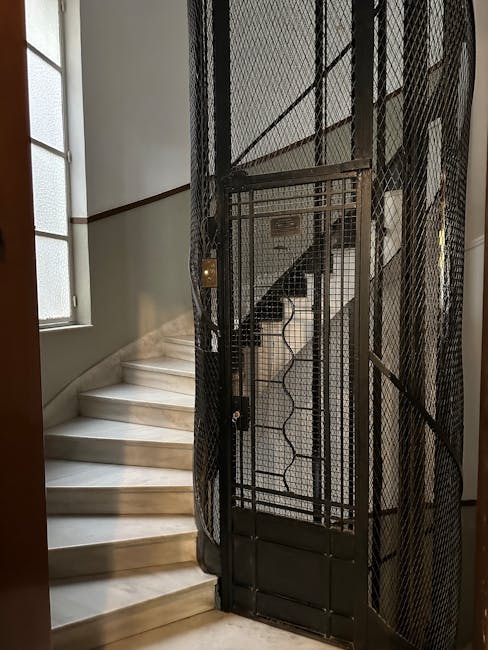
Access is one of those things people only notice once it becomes a problem. In a move near Sloane Square, the lift, the staircase, the hallway width and the entrance route can all decide how smooth the day feels. A move that would take two hours in a modern block can become a half-day job if furniture has to be carried around tight turns, paused in narrow landings, or split into smaller loads.
This matters for three simple reasons. First, safety: awkward lifting on stairs increases the chance of damage to belongings and injury to people. Second, timing: delays build up fast when access is underestimated. Third, cost: extra labour, repeated trips, parking adjustments and unplanned waiting time can all change the job shape. Nobody enjoys paying for avoidable friction. Nobody.
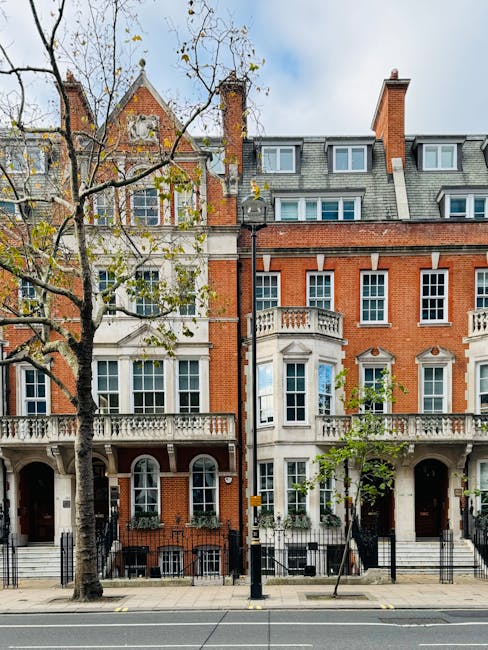
In Knightsbridge, access planning is especially important because properties can vary so much. A ground-floor flat may still have steps at the entrance. A mansion block might have a lift, but it may be shared, booked, or small. A townhouse might have no lift at all, but plenty of stairs, narrow bends and old banisters that make careful handling essential. You see the pattern. It is not just about the postcode. It is about the building.
That is why good removal planning starts before the van arrives. A reliable team will want to know what they are dealing with, and the best customers usually give the same information back: honest measurements, realistic timings and a clear view of what can and cannot be moved by lift. If you want a wider sense of how the local moving market is structured, the page on removal companies in Knightsbridge is a useful place to compare service approaches.
How Sloane Square removals lift and stair access tips Knightsbridge Works
The process is usually simpler than people expect, but only if the right questions are asked early. First, the mover assesses access at both properties. That means lift size, stair width, ceiling height, sharp turns, entrance steps, door clearances and parking distance. In many cases, the person booking the move can provide this information by email or phone, but a walk-through or photos help a lot.
Next comes the decision on how items will be moved. Sometimes the lift is suitable for most boxes but not for furniture. Sometimes the lift can be used for small items while larger pieces are carried down the stairs by trained handlers. Sometimes the stair route is safer than a lift because it gives better control over awkward shapes, provided there is enough space. The best option depends on the building, not the assumption.
Then the team plans the job around the access route. That may include protecting floors, wrapping corners, clearing shared hallways, booking a lift slot, or arranging staggered loading. In a busy area like Knightsbridge, where timing can matter just as much as muscle, this planning is what keeps the move from turning messy at eleven o'clock in the morning.
There is also a practical difference between a full-service crew and a smaller vehicle-based move. For compact jobs or a single flat move, a man and van service in Knightsbridge can be a good fit. For larger homes, heavy furniture or a building with awkward access, a more structured removal plan may make more sense. If you are unsure, that is normal. Most people are unsure the first time, to be fair.
Key Benefits and Practical Advantages
Planning around lifts and stairs is not just about avoiding hassle. It creates tangible benefits that you can feel on moving day.
- Faster loading and unloading: the crew already knows whether the lift can be used and where the bottlenecks are.
- Less risk of damage: fewer awkward pivots, fewer rushed carries, fewer scraped walls.
- Better safety: moving heavy items on stairs without a plan is where slips and strain happen.
- Clearer pricing: accurate access details help quotes reflect the real job rather than vague assumptions.
- Smoother building relations: if you are in a managed block, a tidy, well-timed move tends to go down better with neighbours and concierge staff.
There is another advantage people often overlook: confidence. A move feels less stressful when you can picture it properly. Will the sofa fit vertically? Can the bed frame be dismantled? Will the lift door close once the mattress is inside? When you know the answer, your brain stops inventing worse-case scenarios at 6 a.m.
For furniture-heavy moves, it also helps to look at specialist support such as furniture removals in Knightsbridge. Large wardrobes, dining tables, mirrors and fragile cabinets all benefit from careful handling and a route planned in advance. If valuables or bulky items are involved, a dedicated service may be worth it.
Expert summary: the best access strategy is usually the one that reduces carrying distance, avoids tight angles, and keeps the team in control. That sounds obvious, but a lot of moving-day trouble comes from choosing the most convenient route on paper, not the safest route in real life.
Who This Is For and When It Makes Sense
This topic matters to anyone moving into or out of an apartment, mansion block, mews property or townhouse near Sloane Square, but some people benefit more than others.
- Flat movers: especially where lifts are small or shared, and stairs have awkward bends.
- Families moving larger items: beds, wardrobes, prams, storage units and dining furniture all create access pressure.
- Office teams: business moves often have tight timing windows, and lift access can decide whether the day runs smoothly. A look at office removals in Knightsbridge can be useful here.
- Students or short-term renters: smaller moves still suffer if the building has no easy lift route. See student removals in Knightsbridge for lighter, practical options.
- People moving with limited mobility: access planning becomes even more important when stairs are difficult or unsafe.
It also makes sense if you are moving on a tight timetable. Same-day keys, back-to-back tenancies and busy weekend slots do not leave much room for surprises. If that sounds familiar, same-day removals in Knightsbridge may be worth exploring, although you will still want to be realistic about access constraints.
And if you are mostly interested in a compact vehicle-based move, the more flexible man with a van option in Knightsbridge can be a sensible middle ground. Not too big, not too complicated. Sometimes that is exactly what the situation needs.
Step-by-Step Guidance
If you want a move near Sloane Square to feel under control, the easiest way is to break access planning into simple steps.
- Measure the building access properly. Check stair width, lift interior size, lift door opening, ceiling height, and any tight corners between the entrance and your flat. Do not guess. A quick tape measure now saves a lot of debate later.
- Take photos of the route. Pictures of the lift, stairs, hallway, front entrance and any tricky bends are incredibly useful. One photo of a narrow landing can explain more than a whole paragraph.
- List the awkward items. Sofas, mattresses, mirrors, wardrobes, glass tables, pianos and oversized appliances should be flagged early. If a piano is involved, specialist handling may be needed through piano removals in Knightsbridge.
- Ask about building rules. Some properties want lift protection, some require booking slots, and some prefer service entrances. A simple check with concierge or management can avoid awkward delays.
- Plan the loading order. Put essential boxes, flat-pack pieces and easy-access items near the exit. Keep the heaviest items in the sequence that best matches the access route.
- Protect the route. Floor coverings, corner guards and door protection can matter a lot in older buildings, especially where narrow staircases and polished surfaces meet.
- Set a realistic timeline. If the lift is shared or the stair route is slow, build in breathing room. Rushed moves tend to get clumsy. That is just how it goes.
A small but useful tip: ask whether the lift can be reserved for a particular time block. In busy residential buildings, that detail can be the difference between a smooth move and a queue of irritated neighbours. Not fun. Avoidable, though.
Expert Tips for Better Results
Over time, the same patterns show up again and again. Here are the access tips that genuinely help, especially in tight Knightsbridge buildings.
- Use the stairs for small items and the lift for volume, not everything for everything. A mixed approach often reduces waiting and keeps the team moving.
- Remove loose parts first. Table legs, shelves, headboards and detachable drawers make big items easier to manage on stairs.
- Keep one person on access duty. Having a single contact who knows the building, the lift booking and the key handover avoids confusion.
- Check parking and kerbside access. If the vehicle has to park further away than expected, stair and lift access become even more important because carry distance increases.
- Use soft protection on corners and bannisters. A small collision at speed can leave a surprisingly visible mark.
- Have a backup route in mind. If the lift breaks or becomes unavailable, know whether the stairs are workable before the team starts unpacking the van.
One thing we often see: people underestimate how much space is needed for turning a sofa around a stair bend. It might fit through the door. Fine. But the angle on the way up? That is where reality starts asking questions. A quick measurement from floor to ceiling and handrail to wall can save a lot of guesswork.
If your move includes a lot of boxed items or fragile household pieces, it is worth looking at packing and boxes in Knightsbridge before the day arrives. Good packing makes access easier because boxes stack better, carry better and break less often. Simple, but powerful.
Common Mistakes to Avoid
Most access problems come from a handful of avoidable mistakes. They seem minor during planning. Then moving day arrives and, well, the whole thing gets a little silly.
- Assuming the lift will fit everything. Many lifts are useful for people, not large furniture. Measure the cab and the door.
- Forgetting about stair turns. Straight staircases are one thing. L-shaped or spiral stairs are another altogether.
- Not telling the mover about restrictions. If the building needs booking or has limited lift hours, say so early.
- Leaving packing to the last minute. Poorly packed items are harder to carry and more likely to get damaged.
- Ignoring shared spaces. Hallways, entrance lobbies and lift lobbies can become choke points if boxes are left everywhere.
- Booking the wrong type of service. A small van may be fine for some moves, but not for a full flat with awkward stairs and heavy furniture.
Another mistake is overconfidence. It happens. Someone says, "Oh, the sofa will definitely go up the stairs," and nobody checks the dimensions. Two minutes later the sofa is wedged at an angle and everyone is standing in silence. Not ideal.
If you want to make fewer wrong turns from the outset, reviewing the services overview can help you match the job to the right support level before you book.
Tools, Resources and Recommendations
You do not need a warehouse full of equipment to manage access well. A few practical tools and sensible habits make the biggest difference.
| Tool or resource | What it helps with | Why it matters |
|---|---|---|
| Tape measure | Lift openings, stair width, furniture dimensions | Removes guesswork and prevents avoidable delays |
| Phone camera | Photos of routes, entrances and awkward turns | Helps the crew assess the move before arrival |
| Labels and marker pens | Box organisation and room planning | Makes unloading faster and reduces confusion in the property |
| Furniture blankets and covers | Protection for bannisters, walls and items in transit | Especially useful on tight staircases and shared corridors |
| Building access notes | Lift booking details, concierge instructions, entry codes | Prevents delays when the van and the crew arrive |
As a practical recommendation, keep a simple access note on your phone and share it with the removals team. Include the postcode, any entrance quirks, whether there is a lift, and where to park if possible. A well-organised note can be more useful than a long email thread. Honestly, less is often more here.
If you are still deciding between property types or thinking about future access issues, reading about real estate insights in Knightsbridge and buying property in Knightsbridge can help you spot access features that matter before you sign anything.
For cost planning, you may also want to review pricing and quotes alongside the company's competitive prices page so you can understand how access complexity may affect the final quote.
Law, Compliance, Standards, or Best Practice
For a removal job, compliance is mostly about safety, access responsibility and respecting building rules. You do not need to become a legal expert to get this right, but you do need to work sensibly.
In practice, that means following basic health and safety expectations, using adequate lifting techniques, protecting communal areas, and avoiding damage to lifts, walls or stairwells. Managed blocks may have their own procedures for booking lifts or using service entrances, and those should be followed carefully. That is not just polite; it keeps the move moving.
It is also sensible to check the company's policies on safety and insurance before booking. If you want reassurance about how a provider approaches risk and responsibility, pages such as insurance and safety, health and safety policy and accessibility statement can help you understand the standards they work to.
Best practice is simple: be honest about access, ask for clarification where needed, and do not assume the building will behave exactly as expected. Lifts can be small. Staircases can be tight. Service corridors can be longer than they looked on the viewing day. That is all normal, and planning for it is smart, not fussy.
Options, Methods, or Comparison Table
Different access situations call for different move methods. Here is a straightforward comparison.
| Method | Best for | Strengths | Watch-outs |
|---|---|---|---|
| Lift-based move | Smaller boxes, lighter items, careful vertical transport | Less carrying, quicker on repeated trips, easier on the team | Door size and cab size may limit furniture |
| Stair carry | Buildings with no suitable lift or when lift use is restricted | Direct route, reliable when measured correctly | Tight turns, extra labour, higher physical effort |
| Mixed method | Most typical Knightsbridge flats and townhouses | Flexible, efficient, often the safest balance | Needs good coordination and clear role allocation |
| Specialist service | Pianos, antiques, oversized or fragile pieces | Extra equipment and handling expertise | May require more planning and bespoke pricing |
The mixed method is often the winner. A lift for smaller items, stairs for manageable pieces, and specialist handling for the bulky stuff. That approach usually gives the best balance of safety and speed. Not glamorous, just effective.
Case Study or Real-World Example
Picture a move from a third-floor flat near Sloane Square into a townhouse a few streets away in Knightsbridge. The old building has a lift, but it is narrow and only really practical for medium boxes and small household items. The new address has a staircase with a sharp turn at the first landing and no lift at all.
On paper, the move looks manageable. In reality, the team needs to divide the load carefully. The lift is used for boxes, kitchen items and soft furnishings. The stairs are used for lighter furniture that can be turned safely. A wardrobe is dismantled before moving. The mattress is wrapped. A mirror is carried separately. One person manages the route and keeps contact with the building concierge.
The result? Fewer pauses, less risk of damage, and a move that finishes in one continuous rhythm rather than a series of stressful starts and stops. Nothing magical. Just good planning, clear access notes and a bit of patience. You can almost hear the relief in the hallway when it works well.
If the move had involved a larger home instead of a flat, a fuller house removals in Knightsbridge approach may have been more suitable, especially with more furniture and a longer loading sequence.
Practical Checklist
Use this checklist a day or two before moving.
- Measure the lift door, lift depth and stair width.
- Photograph any tight corridors, turns or entrance steps.
- Confirm whether the lift needs booking or protection.
- Ask whether service access is preferred.
- Identify the largest and heaviest items.
- Dismantle furniture that can be safely taken apart.
- Label fragile boxes clearly.
- Clear hallways and entry points in advance.
- Check parking or loading arrangements for the van.
- Share one clear access note with the removals team.
Quick takeaway: if you can explain the building route in one sentence, you are already ahead of most moving-day headaches. Seriously. That small bit of clarity helps a lot.
Conclusion
Sloane Square and the wider Knightsbridge area reward good planning. The buildings are often beautiful, but they are not always straightforward. Lifts can be small, stairs can be narrow, and access details can change the shape of the whole move. Once you understand the route properly, though, the process becomes much easier to control.
The main idea is simple: measure early, share details honestly, choose the right mix of lift and stair access, and match the moving service to the property rather than the other way round. That is how you avoid stress, reduce risk and keep the day moving at a sensible pace.
If you are comparing options, looking at local removal services for your area, checking about the company, and reviewing terms and conditions can give you extra confidence before you book. And if you want to make the move simpler from the start, a well-planned access conversation is the best first step.
Get a free quote today and see how much you can save.
Moving day is rarely perfect, but with the right preparation it can be calm, efficient and strangely satisfying. One careful step at a time, that is usually enough.
![Professional Movers Services at Unbeatable Prices in [LOGO_TITLE]](../../pub/actonmovers-banner.png)