Permit requirements for Knightsbridge removals SW1X loading bay
Posted on 30/07/2026
Permit requirements for Knightsbridge removals SW1X loading bay: a practical guide for a smoother move
If you are moving in Knightsbridge and need to use a loading bay in SW1X, the paperwork can feel like the annoying bit nobody mentioned until the last minute. Truth be told, that is usually where delays start. This guide breaks down Permit requirements for Knightsbridge removals SW1X loading bay in plain English, so you can plan the move properly, avoid parking problems, and keep the day moving. It also covers the practical bits people often miss: timing, access restrictions, bay etiquette, building coordination, and how to reduce stress when the road is busy and the clock is ticking.
For a wider look at how local moves are planned, you may also find the company's Knightsbridge removals service and service overview helpful when comparing the moving options that fit your situation.
Why Permit requirements for Knightsbridge removals SW1X loading bay Matters
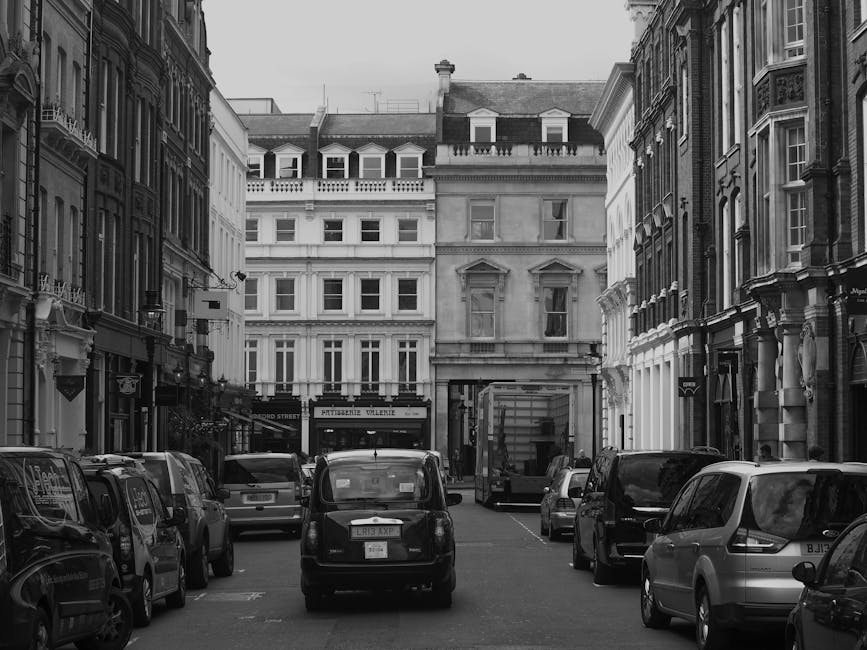
Knightsbridge is not the sort of place where you can casually pull up a van, unload a sofa, and hope for the best. SW1X streets are busy, space is tight, and loading areas are often shared between residents, deliveries, tradespeople, and removals. That is exactly why permit requirements matter. They are not just paperwork; they are what helps you secure lawful access, reduce conflict with other road users, and keep the removal team working without interruptions.
A loading bay can save a move, but only if it is used correctly. Without the right permission, your van may be forced to circle the block, wait in a queue, or move on entirely. That affects labour time, building access, lift booking slots, and sometimes even the goodwill of neighbours who are already watching from the window with folded arms. Not ideal.
There is also a financial angle. A delayed crew often means more time on the job, and time is a cost driver in removals. If you are trying to keep a move efficient, planning the permit side properly is one of the simplest ways to avoid awkward surprises. For readers who are still comparing local movers, the page on pricing and quotes is a sensible next stop.
In practice, permit planning is especially important if you are moving from a mansion block, a mews house, a basement flat, or somewhere near a narrow one-way street where parking is already at a premium. In those settings, one missed detail can turn a tidy morning move into an all-day shuffle.
How Permit requirements for Knightsbridge removals SW1X loading bay Works
The process usually starts with identifying the exact address, the date of the move, and the access point your removal vehicle will need. In some cases, the bay is managed through local parking controls; in others, the building or managing agent has its own booking rules layered on top. The key thing is that a loading bay is not simply a free-for-all space. It tends to be time-bound, location-specific, and tied to clear conditions.
From a practical angle, the sequence often looks like this:
- Confirm the move date and the approximate arrival window.
- Check whether the property has a dedicated loading bay or shared service area.
- Find out whether the bay must be reserved, displayed with a permit, or supervised by building staff.
- Make sure the vehicle size matches the bay layout and turning space.
- Build in a buffer for traffic, lift delays, or residents using the same access route.
That sounds straightforward, but the details matter. A bay can be technically available while still being unsuitable for a long vehicle, or unavailable during certain hours because of local restrictions. If you have ever watched a mover stand beside a van with a clipboard, checking signage, then checking it again, you will know what I mean. The boring-looking checks are the ones that prevent the headache later.
There is usually a distinction between parking permission and building access permission. You may need both. For example, a bay booking might allow the van to stop, but the building may still require pre-notice for the lift or concierge access. If you are moving large furniture, the team may also recommend additional planning through a page like furniture removals in Knightsbridge or, for specialist items, piano removals support.
Key Benefits and Practical Advantages
Getting the permit side right is not glamorous, but it pays off in very concrete ways.
- Less waiting around: the van can load and unload where it is supposed to, instead of hunting for a space.
- Lower risk of disruption: fewer arguments with wardens, neighbours, or building staff.
- Better timing: lift bookings, porters, and access windows can line up properly.
- Cleaner budgeting: less idle time means fewer avoidable labour costs.
- Safer handling: short, direct carry distances are kinder to both furniture and flooring.
There is a quieter benefit too: peace of mind. Moving day already has enough moving parts. If the loading point is sorted, you free up mental energy for the things that actually need attention, like keys, inventory checks, fragile items, and that one drawer everyone forgets to empty until the final five minutes.
For commercial moves, the value can be even clearer. Office relocations often depend on precise arrival windows and building coordination, which is why the office removals page is relevant if your move involves desks, files, IT kit, or shared building access. A smooth loading bay arrangement can be the difference between a focused start and a very long coffee break.
Who This Is For and When It Makes Sense
This topic is relevant if any of the following sound familiar:
- You are moving out of, or into, a SW1X flat with limited street access.
- Your building has a basement, side entrance, mews access, or rear service route.
- Your removal van needs to stop close to the door because carrying distance is long.
- You are using a larger vehicle and need to confirm whether it can fit safely in the bay.
- You are coordinating with a concierge, estate manager, or landlord.
- You need a same-day or tightly timed move and cannot afford delay.
It also matters for smaller moves, not just big household relocations. A one-bedroom flat with a few awkward items can still need precise loading bay access, especially if the road layout is tight or the building only allows short stop times. That is where a nimble option such as man with a van in Knightsbridge or man and van can make sense, provided the access arrangements are confirmed in advance.
If you are moving with students, short-term renters, or a smaller volume of belongings, you still need to treat the loading bay as part of the plan, not an afterthought. Same thing for high-value or delicate contents; access issues do not magically become less annoying just because the move is smaller.
Step-by-Step Guidance
Here is a practical way to handle the permit and loading bay side without overcomplicating it.
1) Start with the exact move window
Do not just say "Friday morning." Give yourself a realistic start time and a fallback window. If the building only allows access after a certain hour, or the road is congested earlier in the day, that needs to be reflected in the schedule.
2) Confirm the loading bay rules in writing
Ask who controls the bay, how long the van can stay, and whether any specific vehicle details are needed. Written confirmation is helpful because loading bay rules can be remembered differently by different people. That is just life, really.
3) Match the vehicle to the access
A long wheelbase vehicle may be ideal for capacity, but not if the turning circle or curb space is awkward. The same applies to a narrow bay that looks fine in theory but becomes cramped once the ramp is out and the pavement is busy.
4) Coordinate with the building
Ask about lift bookings, protection requirements, concierge hours, and any rules on floor coverings or trolleys. If your move involves apartments, the flat removals service is worth reviewing because flat moves in Knightsbridge often need extra access coordination.
5) Build in buffer time
Traffic, delivery conflicts, and delayed lift access are common in the area. A buffer of even 15 to 30 minutes can stop the whole schedule from snowballing.
6) Confirm the plan the day before
One final check the day before the move can catch last-minute changes. If something has shifted, such as a bay closure or a building notice, you will still have time to adapt.
For readers looking for more local moving insight, the guides on Sloane Street access and access restrictions and delays are useful because the same practical logic applies across much of central Knightsbridge.
Expert Tips for Better Results
Small improvements make a huge difference on moving day. Here are the tips we would treat as non-negotiable.
- Photograph the bay and entrance the day before. It helps the team visualise kerbs, steps, and turning room. A quick picture beats a vague memory.
- Measure the awkward stuff. If a wardrobe, sofa, or mirror is tight on the way out, know that in advance.
- Protect the route. Hallways, communal carpets, and thresholds can suffer in a busy move. Put protection in place before the heavy items start coming through.
- Keep the bay clear. Do not use the space for storage, waiting boxes, or parked personal cars. That sounds obvious, but people do it.
- Choose the right support level. A small van, a full removals crew, or a hybrid setup can all work. The right choice depends on access, volume, and timing.
In our experience, the calmer moves are the ones where someone has already answered the awkward questions: where does the van stop, who opens the gate, what happens if the lift is out, and who is watching the clock? Once those are settled, the rest tends to feel much easier. Not easy, but easier.
If you are comparing vehicle types or support levels, the service pages for man and a van, removal van, and house removals can help you think through what kind of move you actually need rather than just what sounds convenient.
Common Mistakes to Avoid
Most loading bay problems come from a handful of predictable mistakes. The good news is that they are avoidable once you know what to look for.
- Leaving the permit until the last minute. This is the classic one. If approval is needed, late requests can narrow your options fast.
- Assuming the building handles everything. Sometimes they do, sometimes they don't. Never assume.
- Booking a van without checking the bay dimensions. A vehicle that is too large can turn a neat plan into a very awkward conversation.
- Forgetting lift or concierge timing. A perfect bay booking means little if the building access is closed.
- Not planning for neighbouring traffic. Knightsbridge does not exactly sit still at the best of times.
- Ignoring weather and loading conditions. Wet pavements, windy lifts, and narrow doorways slow everything down.
There is another subtle mistake: treating all moves the same. A ground-floor mews house has different issues from a fourth-floor apartment or a commercial office. If you want to see how location-specific access problems can vary, the article on common problems for Knightsbridge mews houses is a good complement to this guide.
Tools, Resources and Recommendations
You do not need fancy software to manage a loading bay move well, but a few practical tools help a lot:
- Address notes: include entrance details, bay position, and any buzzer or concierge instructions.
- Room-by-room inventory: especially useful if multiple people are packing and you want to avoid the "where did the kettle go?" moment.
- Floor protection and covers: useful for communal areas, polished floors, and tight stairwells.
- Measuring tape: old-fashioned, yes, but still brilliant for doors, lift openings, and larger furniture.
- Removal boxes and packing materials: a more secure load is easier to handle in a bay with limited time.
If you are still at the planning stage, the pages on packing and boxes and storage in Knightsbridge can be useful if you need to stage items, split the move, or keep the loading bay clear for a clean turnaround. For households with unusual items or a busy schedule, that flexibility can be a lifesaver.
It also helps to think about the whole move, not just the van stop. For instance, if you are moving during a busy weekday, you may want to review same day removals only if the timings are genuinely tight and the building access is confirmed. Same-day help sounds handy, and it can be, but it is not magic. The access still has to work.
Law, Compliance, Standards, or Best Practice
For loading bays in central London, the safest approach is to follow the posted local restrictions, building rules, and any permit conditions exactly as issued. Because parking and access controls can vary by street, time of day, and building, you should treat each move as a separate case rather than rely on last time's arrangement.
In plain terms, best practice usually includes:
- checking the local signage before the move;
- keeping proof of permission where required;
- not overstaying the agreed loading period;
- making sure the vehicle does not block access, crossings, or emergency routes;
- cooperating with building managers and road users;
- ensuring safe handling for staff, residents, and property.
That last point matters more than people think. A tight loading bay is not just an access issue; it is a safety issue too. Good practice means using the bay in a way that keeps foot traffic clear and reduces manual handling risks. If the move involves heavier items, the company's health and safety policy and insurance and safety information are worth reviewing before you book.
Because regulations and permissions can change, it is wise to verify the current details with the relevant property manager or local authority process before moving day. That is the careful, sensible route. No drama, just fewer problems.
Options, Methods, or Comparison Table
Different moves call for different approaches. Here is a straightforward comparison of the most common options people consider when dealing with SW1X loading bay access.
| Method | Best for | Pros | Watch-outs |
|---|---|---|---|
| Pre-booked loading bay permit | Moves with fixed access windows and tight streets | Predictable, organised, easier to coordinate | Needs advance planning and confirmation |
| Building-managed loading slot | Flats, mansion blocks, concierge-led buildings | Good for controlled access and lift coordination | May be limited by building hours or staff availability |
| Flexible van arrival with nearby loading access | Smaller moves or less restricted streets | Simple, potentially quicker to arrange | Higher risk of delays if parking is scarce |
| Full removals crew with access planning | Large households, heavy furniture, time-sensitive moves | Most efficient for complex access and larger loads | Usually requires the most coordination |
If your move is more complex than it first appears, a full-service approach often saves time overall. If it is a light move, a smaller vehicle may be enough. The right choice is the one that matches the access reality, not the one that sounds simplest on paper. That part gets people every time.
Case Study or Real-World Example
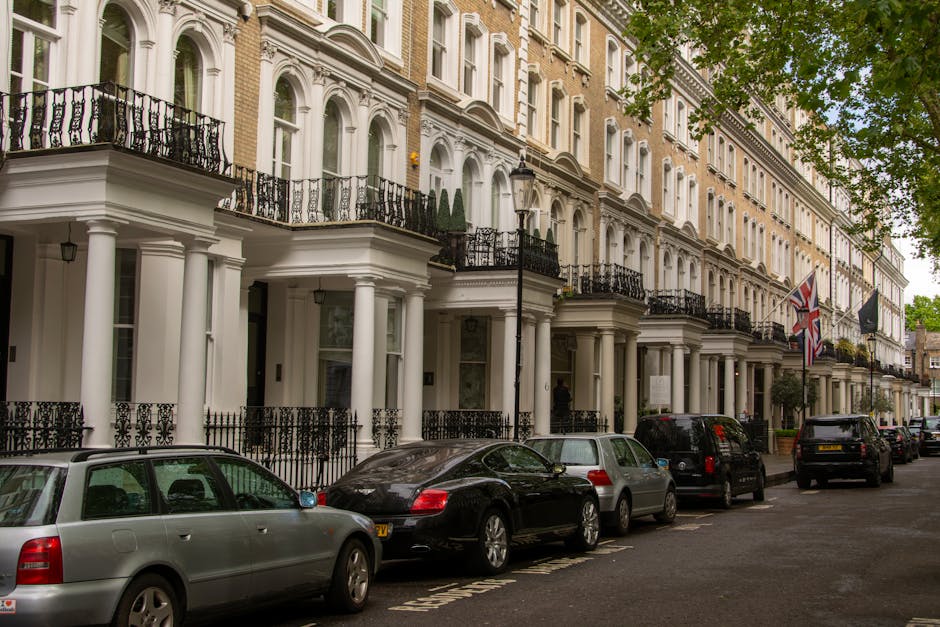
Here is a realistic example. A couple moving from a fourth-floor SW1X apartment had a narrow street, a short loading bay, and a lift that needed prior booking. At first glance they thought a small van would be enough. Once they measured the wardrobe and the sofa, though, the plan changed. The van would need multiple runs if they did not organise the bay well, which would have cost time and added pressure.
So they did three things differently. First, they confirmed the bay rules and the stop duration in advance. Second, they booked the lift for the same window. Third, they packed the awkward items so they could be lifted quickly and safely. The move still had the usual little delays - one missing box, one neighbour needing the corridor for a moment, the sort of thing that happens - but the loading bay stayed available and the team kept working.
What changed most was not the move size. It was the planning. The couple avoided repeated circling, avoided a last-minute argument about where the van could stop, and finished earlier than they expected. Not glamorous. Just sensible.
That same logic applies whether you are moving a full household, a single flat, or even specialist belongings such as a piano or high-value furniture. The access plan should match the items, the street, and the building. Simple as that.
Practical Checklist
Use this checklist to stay organised before move day.
- Confirm the exact move address and postcode.
- Check who controls the loading bay or stop area.
- Secure any permit, permit confirmation, or booking reference needed.
- Ask about time limits and vehicle size restrictions.
- Confirm lift booking, concierge access, and key collection details.
- Measure large or awkward furniture before the move.
- Pack and label boxes clearly.
- Protect floors, door frames, and communal areas.
- Share access notes with your movers the day before.
- Keep a backup plan in case the bay is occupied or delayed.
If you want a broader moving plan around the same area, the company's about us page, removal companies overview, and competitive prices page can help you compare the practical side of choosing a mover, not just the headline promise.
Conclusion
Permit requirements for Knightsbridge removals SW1X loading bay are really about one thing: making the move possible without needless friction. When the bay access is sorted, the rest of the day becomes much easier to control. You get fewer delays, better coordination, and a lower chance of last-minute stress. And in Knightsbridge, that matters more than people realise.
Whether you are planning a flat move, a house move, or a smaller man-and-van job, the winning formula is the same: confirm access early, match the vehicle to the space, keep the building informed, and leave a bit of breathing room in the schedule. That little buffer can save the day. It really can.
If you are still weighing up your moving options, take a moment to review the relevant service pages, compare the access details, and plan the load properly. A tidy bit of preparation now is worth a lot of calm later.
Get a free quote today and see how much you can save.
![Professional Movers Services at Unbeatable Prices in [LOGO_TITLE]](../../pub/actonmovers-banner.png)